“We look down on our scientists if they engage in outside consultation. We implicitly promote the ivory tower.”
— Vikram Sarabhai Father Of Indian Space Program
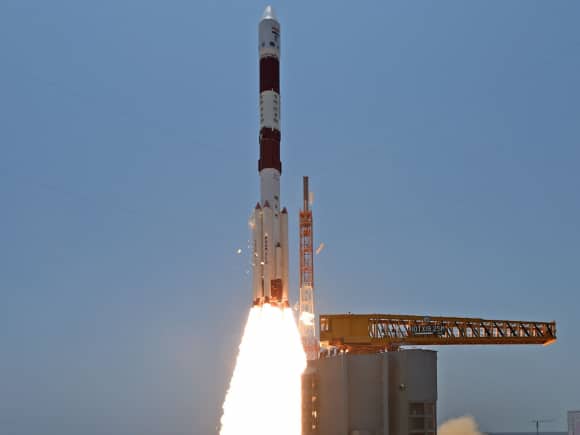
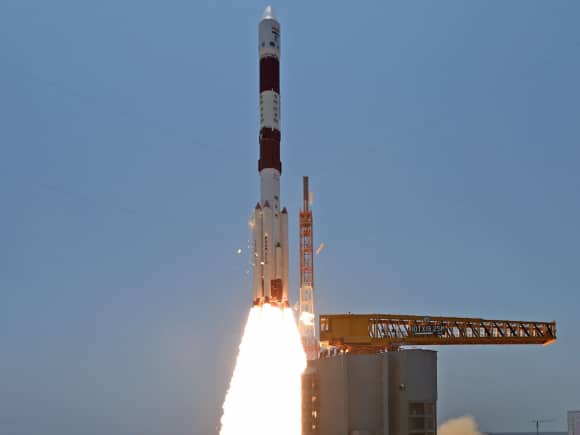
IMAGE OF ADITYA L1 ROCKET
Table of content:-
1. INTRODUCTION
2. Understanding the Sun
3. Aditya-L1’s Objectives
4. Scientific Significance
5. International Collaboration
6. Conclusion
Introduction:*
The Indian Space Research Organisation (ISRO) has been making remarkable strides in the field of space exploration, and one of its most ambitious projects is the Aditya-L1 mission. Named after the Sun, Aditya-L1 aims to unravel some of the universe’s most profound mysteries by studying our nearest star, the Sun, from a unique vantage point in space.

Understanding the Sun:*
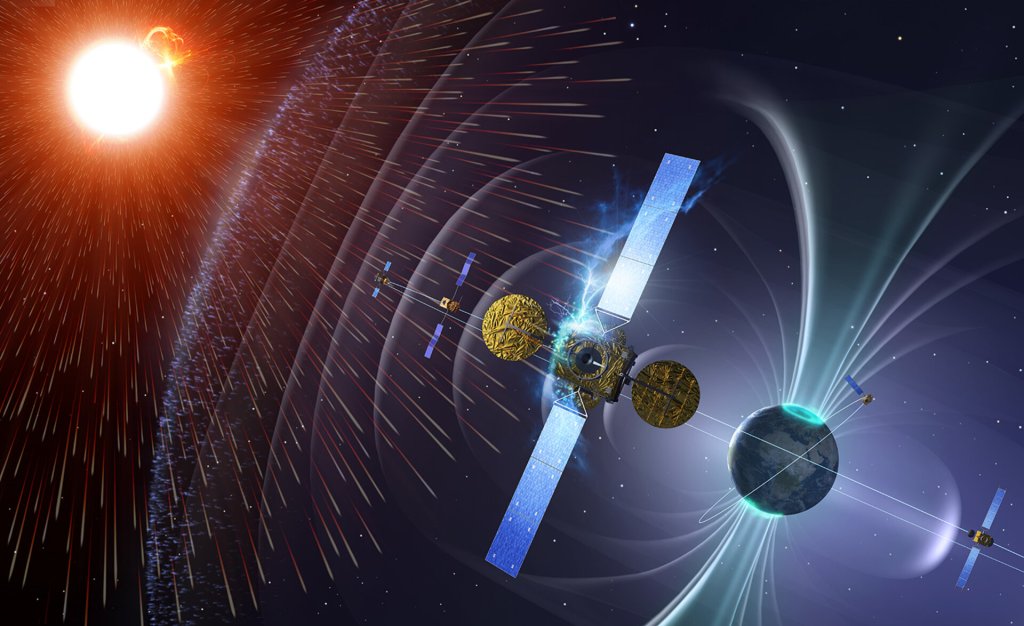
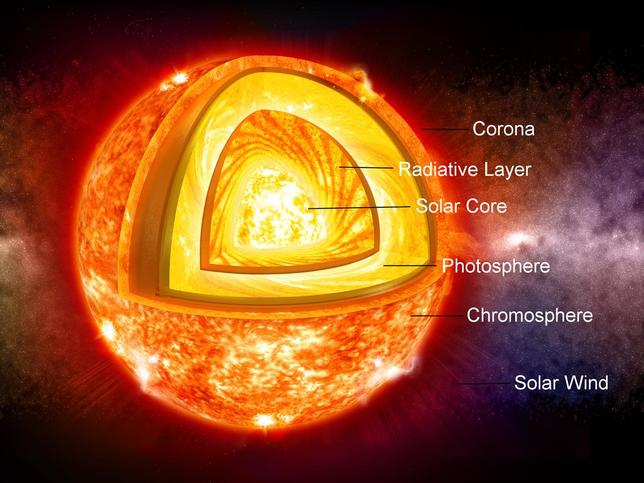
The Sun, a dazzling ball of hot plasma, has always fascinated scientists and astronomers. It plays a crucial role in our solar system, providing heat and light to sustain life on Earth. However, it is also a dynamic and complex celestial object, with its own set of mysteries. Aditya-L1’s primary objective is to study the Sun’s outermost layer, the solar corona, which is significantly hotter than the Sun’s surface. This mission will help us better understand the Sun’s behavior and its impact on space weather.
Aditya-L1’s Objectives:*
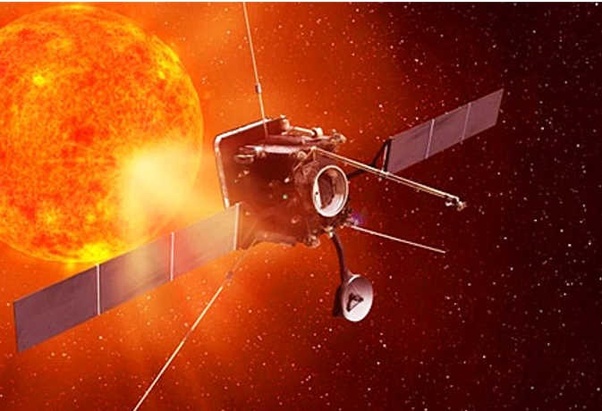
Aditya-L1 will carry a suite of advanced instruments designed to observe and analyze various aspects of the Sun. These instruments include:
1. **Visible Emission Line Coronagraph (VELC):** VELC will capture images of the solar corona in visible light, allowing scientists to study its structure and dynamics.
2. **Solar Ultraviolet Imaging Telescope (SUIT):** SUIT will provide high-resolution images of the Sun in the ultraviolet spectrum, helping scientists monitor solar eruptions and flares.
3. **Plasma Payload:** This instrument will measure the variations in the Sun’s outermost layer, helping scientists understand the factors responsible for its extreme temperatures.
4. **Aditya Solar Wind Particle Experiment (ASPEX):** ASPEX will analyze the properties of solar wind particles, shedding light on their origin and behavior.
Scientific Significance:*
The Aditya-L1 mission holds immense scientific significance. By studying the Sun’s corona, scientists can gain insights into the Sun’s magnetic field, which plays a crucial role in the generation of solar activity such as sunspots, solar flares, and coronal mass ejections (CMEs). Understanding these phenomena is essential for predicting space weather, which can impact Earth’s technology and infrastructure.
International Collaboration:*
ISRO’s Aditya-L1 mission is not conducted in isolation. It is part of a global effort to study the Sun and space weather. International collaboration in space exploration allows scientists to combine resources and expertise, ultimately leading to a deeper understanding of our universe.

Conclusion:*
Hi, I’m Ankesh. , I started blogging from 2 September 2023.
And feel proud to be an INDIAN🇮🇳


 Ankesh singh 🚩blogs
Leave a comment