Chandrayaan-3: India’s Lunar Exploration Endeavor
Table of Contents
1. Introduction
1.1 Background
1.2 Objectives
2. Chandrayaan Missions Overview
2.1 Chandrayaan-1
2.2 Chandrayaan-2
3. Need for Chandrayaan-3
3.1 Chandrayaan-2 Setbacks
3.2 Advancements in Technology
4. Chandrayaan-3 Mission Details
4.1 Launch Vehicle
4.2 Payload
4.3 Scientific Objectives
5. Scientific Significance
5.1 Lunar Geology and Topography
5.2 Water on the Moon
5.3 Helium-3 Resources
6. Challenges and Risks
6.1 Technical Challenges
6.2 Budgetary Constraints
6.3 International Competition
7. Mission Timeline
7.1 Pre-Launch Phase
7.2 Launch and Ascent
7.3 Lunar Orbit Insertion
7.4 Surface Operations
7.5 Return and Data Analysis
8. Scientific Instruments
8.1 Lunar Rover
8.2 Spectrometers
8.3 Cameras
8.4 Drilling Equipment
9. International Collaborations
9.1 NASA Collaboration
9.2 ISRO’s Role in the Global Space Community
10. Public Interest and Outreach
10.1 Public Engagement
10.2 Educational Initiatives
11. Conclusion
11.1 Potential Discoveries
11.2 Future Lunar Exploration
—
1. Introduction
1.1 Background
The Chandrayaan-3 mission is an ambitious lunar exploration project undertaken by the Indian Space Research Organisation (ISRO). Building upon the successes and lessons learned from the Chandrayaan-1 and Chandrayaan-2 missions, Chandrayaan-3 aims to further India’s presence and scientific exploration of the Moon. This comprehensive document explores the mission in detail, from its objectives and scientific significance to the challenges it faces and the potential impact it could have on lunar science.
1.2 Objectives
The primary objectives of the Chandrayaan-3 mission include:
– To successfully land a rover on the lunar surface.
– To conduct scientific experiments to advance our understanding of lunar geology, water presence, and resources.
– To demonstrate India’s technological capabilities in lunar exploration.
2. Chandrayaan Missions Overview
2.1 Chandrayaan-1
Chandrayaan-1, India’s first lunar mission, was launched in October 2008. It made significant contributions to lunar science by discovering water molecules on the Moon’s surface and mapping the lunar topography with high precision.
2.2 Chandrayaan-2
Chandrayaan-2, launched in July 2019, comprised an orbiter, lander, and rover. While the orbiter continues to provide valuable data from lunar orbit, the lander and rover mission faced technical challenges during the descent and landing phase.
3. Need for Chandrayaan-3
3.1 Chandrayaan-2 Setbacks
Chandrayaan-2’s lander Vikram lost communication during its descent, resulting in a mission setback. Chandrayaan-3 aims to address and rectify the issues encountered during the Chandrayaan-2 lander’s descent and landing.
3.2 Advancements in Technology
Since the Chandrayaan-2 mission, there have been advancements in spacecraft design, navigation, and landing technologies. Chandrayaan-3 leverages these advancements to increase the chances of a successful lunar landing.
4. Chandrayaan-3 Mission Details
4.1 Launch Vehicle
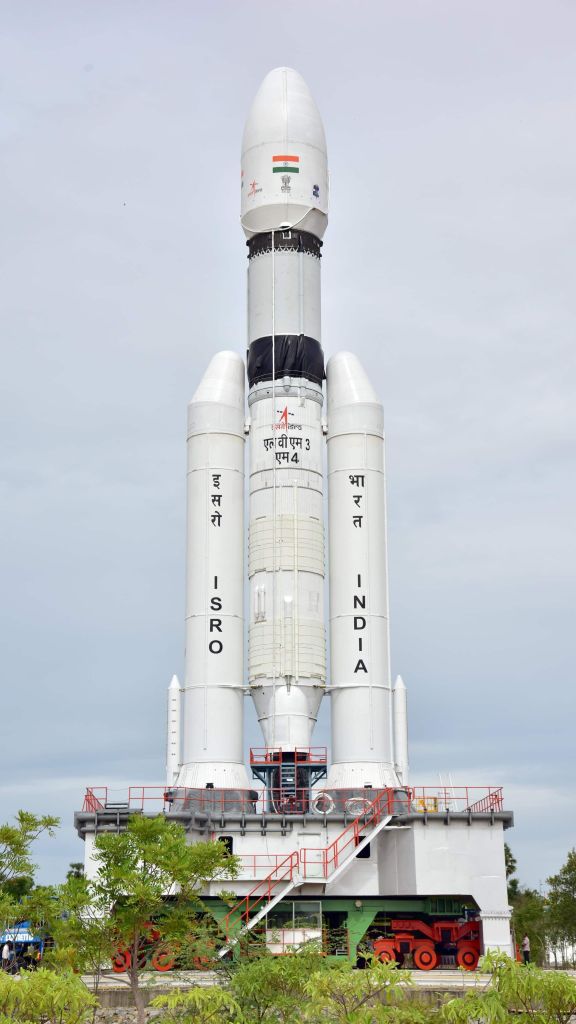
Chandrayaan-3 is set to launch atop a GSLV Mk III, India’s most powerful launch vehicle. This launch vehicle ensures that the spacecraft has the required energy to reach the Moon’s orbit.
4.2 Payload
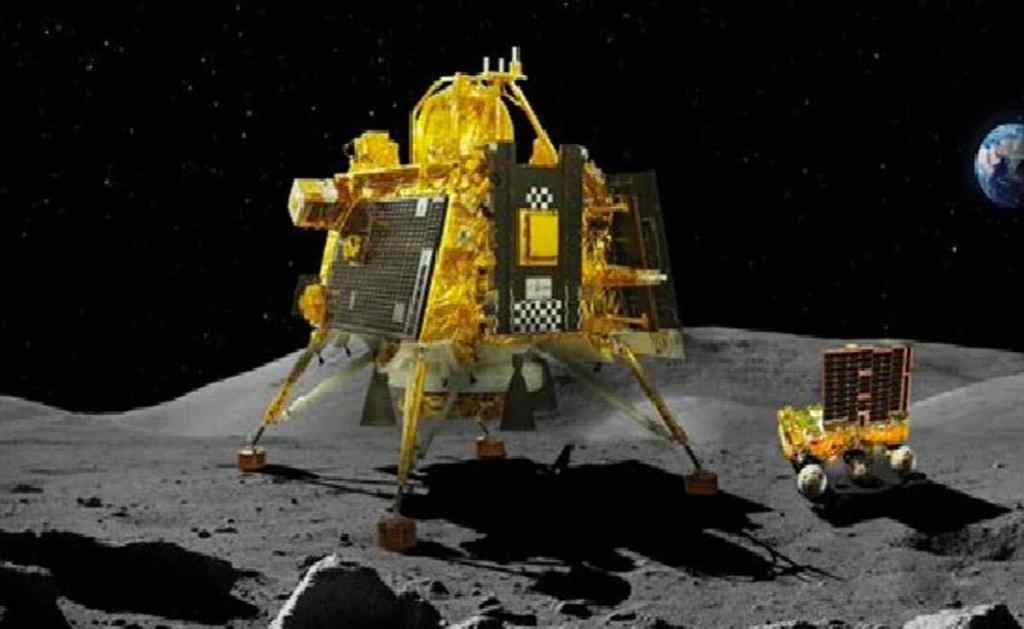
The mission payload consists of scientific instruments, a lunar rover, and communication equipment. These payloads are crucial for conducting experiments and transmitting data back to Earth.
4.3 Scientific Objectives
Chandrayaan-3’s scientific objectives include studying lunar geology, mapping water ice distribution, and conducting experiments to understand the Moon’s composition.
5. Scientific Significance
5.1 Lunar Geology and Topography
Understanding the Moon’s geology and topography can provide insights into its formation and evolution, as well as its potential as a resource for future lunar missions.
5.2 Water on the Moon
The presence of water on the Moon is a critical discovery with implications for future lunar exploration, including the possibility of sustaining human missions.
5.3 Helium-3 Resources
The Moon’s surface may contain significant reserves of helium-3, a potential fuel for future fusion reactors. Chandrayaan-3 aims to contribute to our understanding of this valuable resource.
6. Challenges and Risks
6.1 Technical Challenges
Landing on the Moon is a complex and technically challenging endeavor. Chandrayaan-3 faces risks associated with landing, rover operations, and communication.
6.2 Budgetary Constraints
The Chandrayaan-3 mission must operate within budgetary constraints, requiring efficient use of resources and funds.
6.3 International Competition
Chandrayaan-3 operates in a competitive global environment with other countries and space agencies actively exploring the Moon. Maintaining India’s position in lunar exploration is crucial.
7. Mission Timeline
7.1 Pre-Launch Phase
This section details the mission’s pre-launch activities, including spacecraft development, testing, and integration.
7.2 Launch and Ascent
The launch phase covers the GSLV Mk III launch vehicle, Chandrayaan-3’s ascent to Earth orbit, and the trans-lunar injection maneuver.
7.3 Lunar Orbit Insertion
Upon reaching lunar vicinity, Chandrayaan-3 must perform a series of maneuvers to enter lunar orbit successfully.
7.4 Surface Operations
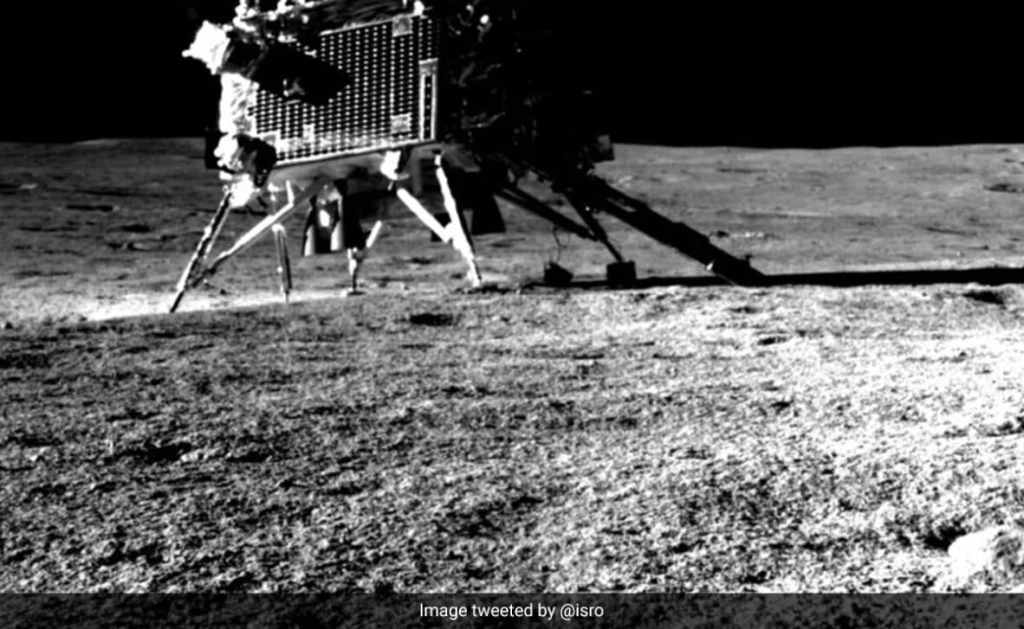
The rover’s descent, landing, and surface operations are crucial stages in the mission’s success.
7.5 Return and Data Analysis
Once the mission is complete, data collected will be analyzed, and findings will be shared with the global scientific community.
8. Scientific Instruments
8.1 Lunar Rover
The rover’s design, capabilities, and objectives are discussed in this section.
8.2 Spectrometers
Spectrometers on Chandrayaan-3 are key instruments for studying the Moon’s composition and detecting water ice.
8.3 Cameras
Cameras on the rover and orbiter capture high-resolution images of the lunar surface, aiding in scientific analysis and navigation.
8.4 Drilling Equipment
The rover’s drilling equipment allows for the collection of subsurface samples, enabling the study of lunar regolith and potential water ice deposits.
9. International Collaborations
9.1 NASA Collaboration
India’s collaboration with NASA
on lunar exploration efforts, including data sharing and resource utilization, is examined in this section.
9.2 ISRO’s Role in the Global Space Community
ISRO’s contributions to the global space community and its role in international lunar exploration are discussed.
10. Public Interest and Outreach
10.1 Public Engagement
Chandrayaan-3’s impact on public interest and the ways ISRO engages with the public are explored in this section.
10.2 Educational Initiatives
The mission’s educational outreach programs and their significance in inspiring future scientists and engineers are detailed.
11. Conclusion
11.1 Potential Discoveries
The mission’s potential discoveries and their implications for lunar science and future exploration efforts are summarized.
11.2 Future Lunar Exploration
Chandrayaan-3’s role in shaping the future of lunar exploration and India’s position in space exploration are discussed in the concluding section.
—
This comprehensive document provides an in-depth exploration of the Chandrayaan-3 mission, from its inception and objectives to its potential impact on lunar science and international collaboration. It serves as a valuable resource for understanding India’s ambitious lunar exploration endeavor and its contributions to humanity’s understanding of the Moon and beyond.
OFFICIAL VIDEO OF ISRO CHANDRAYAN 3 SOFT LANDING
Pragyan rover detaching from Vikram lander
My yt channel ☝️
Proud to be a BHARTIYA🇮🇳
Thank you 🙏.


 Ankesh singh 🚩blogs
Leave a comment